Professional sanitation and food safety professionals in Brampton support food establishments, commissaries, bakeries, warehouses, and food service operations staying compliant. They decontaminate regularly touched surfaces, food preparation surfaces, equipment, floors, drains, restrooms, and food handling spaces with approved chemicals, maintaining proper ratios, and recording exposure duration. You require regular sanitation determined by risk, volume, allergens, and inspections, plus documented proof backing HACCP, audits, and public health compliance. The following information explains how effective cleaning systems should include.
Essential Summary
- Brampton food safety cleaning experts service restaurants, grocery departments, commissaries, warehouses, bakeries, schools, mobile vendors, and allergen-sensitive operations.
- Cross-contamination avoidance is maintained by cleaning high-touch surfaces, food-contact equipment, kitchens, floors, drains, restrooms, and storage areas with area-specific procedures.
- Proper chemical concentration, compatibility, and exposure duration are verified by trained vendors, with completion recorded via checks, assessments, and correction logs.
- Everyday, weekly, and cyclical duties assigned by area comprise hygiene timelines based on threat, output capacity, switches, accidents, and guidelines.
- Opt for contractors with HACCP, public-health, expertise, WHMIS, education, coverage, endorsements, color-categorized tools, and inspection-ready cleaning records.
What Brampton Venues Require Food Safety Cleaning?
Brampton establishments that process, store, prepare, package, or distribute food require hygiene cleaning. Implement it if your operation is covered by health reviews, food regulations, or HACCP protocols. The rule covers food venues, break rooms, supply centers, retail departments, butcheries, seafood areas, stores, and facility food prep.
Compliant food safety cleaning proves necessary in distribution centers, manufacturing facilities, cold storage areas, bakery retailers, educational meal programs, banquet venues, and meal delivery services. Seasonal and mobile businesses count too, examples being food trucks, event sellers, and temporary stalls. Your establishment needs documented cleaning protocols when your team prepare supplies, portion finished foods, reheat dishes, or organize allergen inventory. In Brampton, hygiene remains not optional; it forms part of statutory, functional, and public health adherence.
What Do Brampton Cleaning Professionals Handle?
Your operation needs cleaning professionals who disinfect frequently contacted surfaces, kitchens, floors, and toilet facilities for food safety and health code adherence. These zones receive attention due to their elevated cross-contamination potential, hazardous walking conditions, and violations of hygiene standards.
When you know their cleaning scope, you can ensure your operation's cleaning procedures satisfy operational and regulatory requirements.
High-Touch Surface Cleaning
assign how regularly each area is sanitized
surface sampling to check sanitization effectiveness
Cooking Zones, Walking Surfaces, and Restroom Environments
Expect Brampton cleaning experts to focus on kitchens, floors, and restrooms because each area carries unique food safety, slip-and-fall, and sanitation risks. In industrial kitchens, you need grease removal from cooking stations, appliance surfaces, drain systems, preparation areas, and backsplashes to reduce bacterial growth and pest activity.
Floor care that is recorded should also be anticipated. Technicians clean and remove buildup from tile grout, ceramic surfaces, and vinyl floors, then apply proper moisture management so you can reduce slip incidents and meet regulatory standards. They also address entry points where dampness and dirt enter the building.
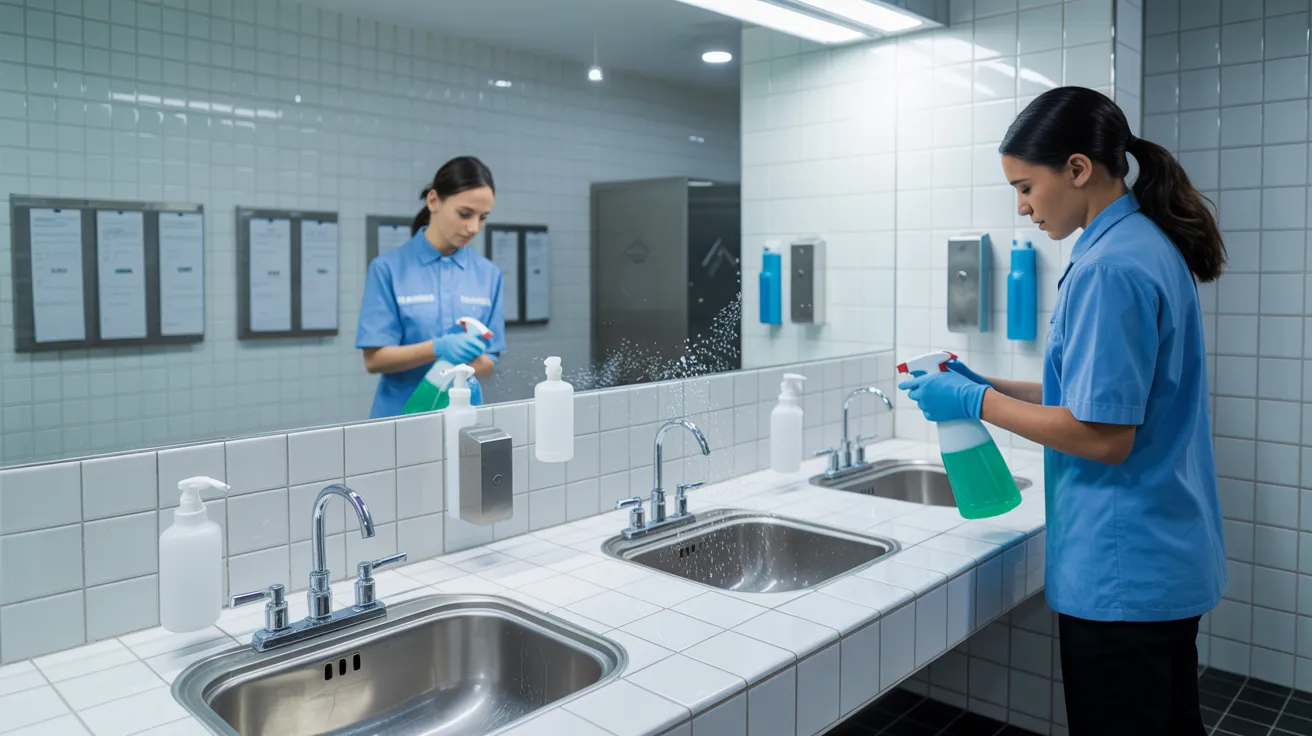
Restroom cleaning involves disinfecting touchpoints, fixtures, partitions, dispensers, and waste containers, replenishing amenities and managing odor. They also maintain restaurant cleaning supply rooms where product storage, sink cleanliness, and drain systems impact daily sanitation standards and worker protection.
The Importance of Food Safety Cleaning in Brampton
To comply with health code requirements and succeed in audits, Brampton facilities must maintain appropriate cleaning protocols. You also reduce cross-contamination by cleaning and sanitizing food-contact surfaces, equipment, and high-touch areas correctly. Most importantly, you safeguard public health by lowering the risk of foodborne illness in your facility.
Health Code Compliance
Food companies in Brampton face mandatory safety protocols, making food safety cleaning critical to meeting health code requirements, safeguarding patrons, and avoiding enforcement action. You must maintain hygienic food handling zones, verifiable cleaning logs, proper chemical use, and documented employee protocols that meet municipal and provincial inspection expectations.
During regulatory evaluation of your operation, inspectors assess whether your hygiene protocols facilitates protected inventory management, machinery hygiene, waste handling, and washroom maintenance. Detailed hygiene logs allow you to demonstrate due diligence during official assessments and show that your methods are standardized, repeatable, and monitored.
Cross-Contamination Prevention
Meeting health code standards also depends on your ability to prevent cross-contamination during daily food corresponding information handling and cleaning. You must keep raw items away from prepared dishes, clean work areas after each use, and keep cleaning products separate from food areas. Clear procedures reduce transfer risks and support consistent compliance during inspections.
Implementing allergen segregation helps ensure major allergens don't touch communal work zones, bins, or devices. Utilize separate boards, color-labeled items, and strict utensil labeling so staff don't mix items during preparation or service. Enforce hand hygiene following raw meat, seafood, eggs, or allergen-containing products. Replace wiping cloths regularly, and verify sanitizer strength with test strips. When your team learns these guidelines every shift, you create a cleaner, safer operation that meets Brampton's food safety expectations daily.
Public Health Protection
When food safety cleaning deteriorate, you don't only risk a failed inspection—you expand the chance of food contamination affecting customers, staff, and the larger Brampton community. You also undermine your responsibility in protecting public health, especially in high-traffic food premises where contamination can spread quickly through surfaces, equipment, and touchpoints.
You require cleaning procedures that eliminate soils, disinfect correctly, and verify outcomes. This requires following contact periods, utilizing approved disinfectants, logging schedules, and instructing staff to meet regulatory standards. These controls promote pathogen reduction by limiting pathogens before contaminating food or surfaces. Across Brampton, effective sanitation safeguards vulnerable groups, limits outbreak risk, and shows your diligence. When you maintain proper protocols, you go beyond requirements—you meaningfully reduce risk and facilitate secure food handling throughout the area.
How Does Cleaning Support Food Safety Compliance?
Embracing comprehensive cleaning schedules solidifies food safety compliance by reducing contamination risks, limiting pathogen development, and maintaining your facility's adherence to sanitation requirements under HACCP-based programs and public health regulations. You validate that food-contact surfaces are visibly clean and microbiologically controlled, facilitating documented preventive controls and inspection readiness.
Rigorous cleaning standards also enhance allergen prevention by eliminating residues that can lead to undeclared allergen exposure.
Establishing When to Schedule Commercial Cleaning
Elevate cleaning pace during peak production, equipment changeovers, spillage occurrences, and after maintenance work.
Managing occasional tasks distinctly allows for more effective scheduling.
What Should You Look For in Brampton Cleaning Experts?
Screen providers initially by their food-safe sanitation requirements—not budget alone. You need to confirm that every company meets CFIA, public health, and HACCP-aligned expectations for your operation. Demand insurance verification, WHMIS compliance, training records, and management systems. Evaluate technician knowledge of cross-contamination risks, chemical safety, and documented sanitation practices.
Additionally, you need to evaluate operational reliability and responsibility. Obtain references from food facilities in Brampton, then review response times, corrective-action procedures, and communication standards. Verify the company supports supplier audits and can deliver compliance-ready records when inspectors or external parties need proof. Verify equipment is maintained, colour-coded tools are applied correctly, and location-specific dangers are identified. A qualified provider ensures compliance, product integrity, and your reputation.
Which elements are part of a hygiene cleaning program?
Create a written plan that clearly outlines every sanitation task, standard, and responsibility prior to beginning production. You should document cleaning frequencies, approved chemicals, dilution rates, contact times, tools, and verification methods for each area, section, and machine. Don't forget to add pre-operational inspections, corrective actions, and employee training requirements.
Your plan should also include cross-contamination controls, waste handling, pest-prevention measures, and documented schedules for restrooms, drains, floors, and food-contact areas. Specify how you'll separate raw and ready-to-eat processes, support ingredient tracking, and copyright accurate allergen labeling through validated cleaning between product changes. You should establish accountability, preserve signed records, and review results against regulatory standards, HACCP controls, and customer requirements. When gaps appear, adjust procedures immediately and retrain staff.
Commonly Asked Questions
Can sanitation providers accommodate overnight shifts in Brampton properties?
Yes, you can schedule cleaning services to support nighttime operations in Brampton facilities. You'll arrange nighttime cleaning around operational schedules, access controls, and staffing requirements. Providers typically map nightshift logistics to reduce disruption, maintain compliance, and document completed tasks. You should confirm response times, oversight, lockout procedures, and disposal methods before service begins.
Can sanitation professionals handle hazardous incidents?
Yes, you can expect Brampton sanitation professionals who provide emergency spill response services. They handle contamination, evaluate dangers, contain contamination, and start rapid decontamination to reduce exposure and avoid operational disruption. You should confirm response times, training certifications, PPE protocols, and waste management. If your facility must meet regulatory requirements, choose a provider that documents incidents, maintains regulatory procedures, and enables compliance verification.
Will green disinfectants disinfect safely food preparation areas?
In essence, eco-friendly disinfectants function safely for surfaces contacting food provided you select products labeled food safe that adhere to regulatory compliant. Validate contact times, concentration levels, and rinsing needs prior to application. Plant-derived products lower chemical burden, although you must have evidence of effectiveness against target microorganisms. To ensure residue-free conditions, adhere to exact manufacturer guidelines and verify the disinfectant satisfies relevant food safety standards.
Do cleaning schedules permit production fluctuations?
Without question, sanitation programs adjust easily for seasonal shifts. Adapt schedules, staff levels, sanitizers, and validation steps to match operational cycles while preserving regulatory adherence. Lower production downtime by timing sanitation around changeovers, maximum output, and equipment use patterns. Further modify procedural documents, training, and environmental monitoring to capture temporary risks, emerging allergens, or elevated soil levels. Regular reviews keep your plan effective.
Do commercial cleaning providers instruct your team in proper hygiene techniques?
Absolutely, professional cleaning companies regularly deliver staff training on sanitation best practices. Your team receives instruction on proper chemical use, dwell times, cross-contamination prevention, equipment disassembly, and documentation. They typically align instruction with HACCP, GMP, and CFIA or local public health standards. Many also perform sanitation audits to verify compliance, pinpoint weaknesses, and strengthen corrective measures. This enables you to sustain uniform standards, pass inspections, and reduce food safety risks consistently.
Conclusion
Through engaging Brampton commercial cleaning and food safety experts, you do far more than tidy—you ensure your facility for audits and your procedures stay aligned with regulations. From kitchen spaces to processing areas, all maintained surfaces and organized zones reduce contamination risks and prevent significant costs. Through scheduling maintenance on suitable timelines and sticking to a solid cleaning plan, you ensure protection for your team, clients, and your good name. Within strict regulatory frameworks, clean conditions must be a priority—they represent good business practice.